Period: 01.01.2026 – 07.01.2026
Key Events:
During the reporting period, a coordinated wave of pro-Russian narratives was disseminated focusing on delegitimizing Ukraine’s leadership, discrediting Western institutions (EU, NATO, USA), and promoting narratives of inevitable geopolitical shifts in favor of Russia. Particular emphasis was placed on portraying Ukraine as corrupt, militarily weak, and manipulated by Western actors, while framing Europe as divided, economically unstable, and strategically vulnerable.
Insights:
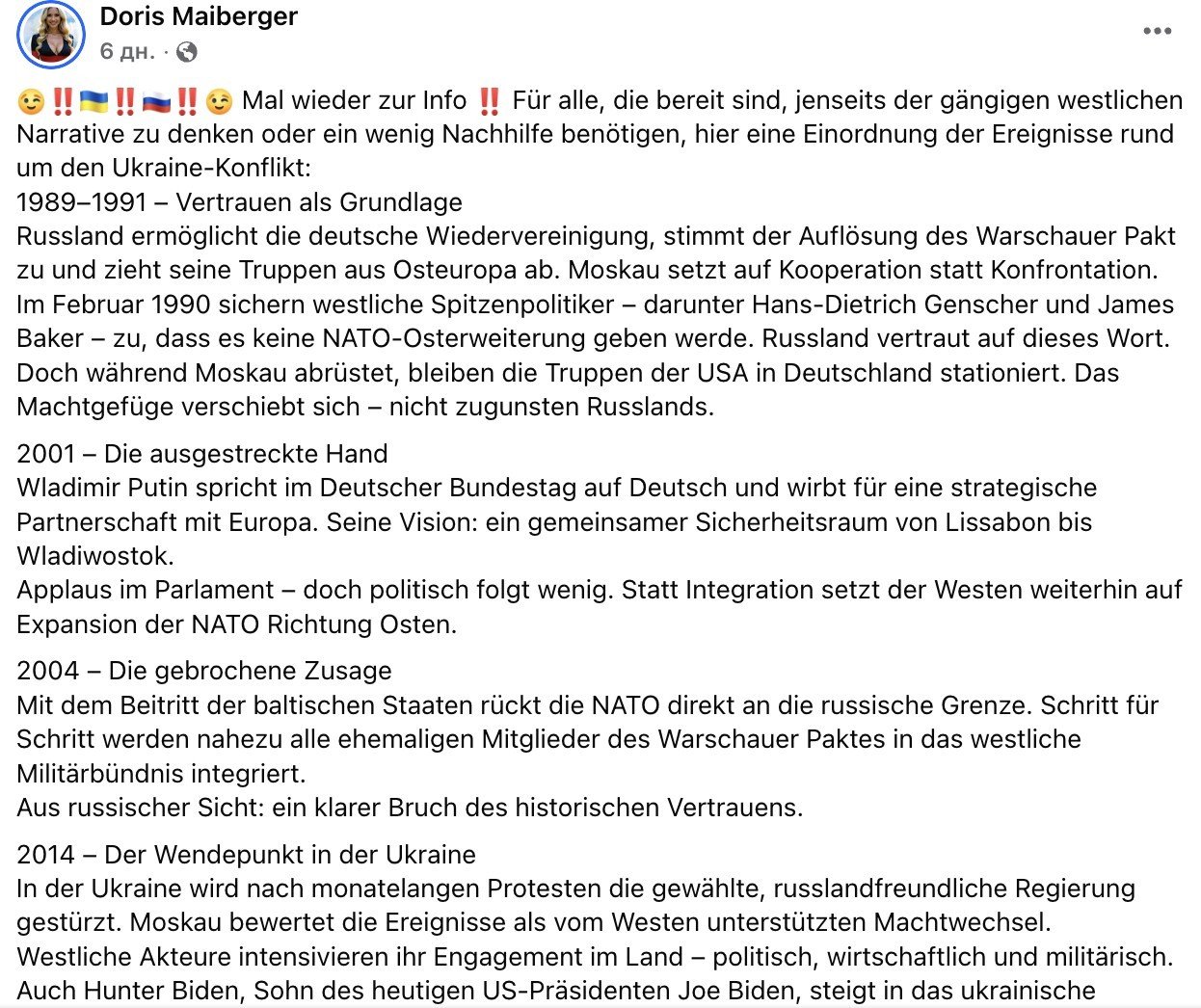
- Systematic historical revisionism: Content reframes key geopolitical events (NATO expansion, 2014 Ukraine events) as Western betrayal, aiming to justify Russia’s actions and shift blame.
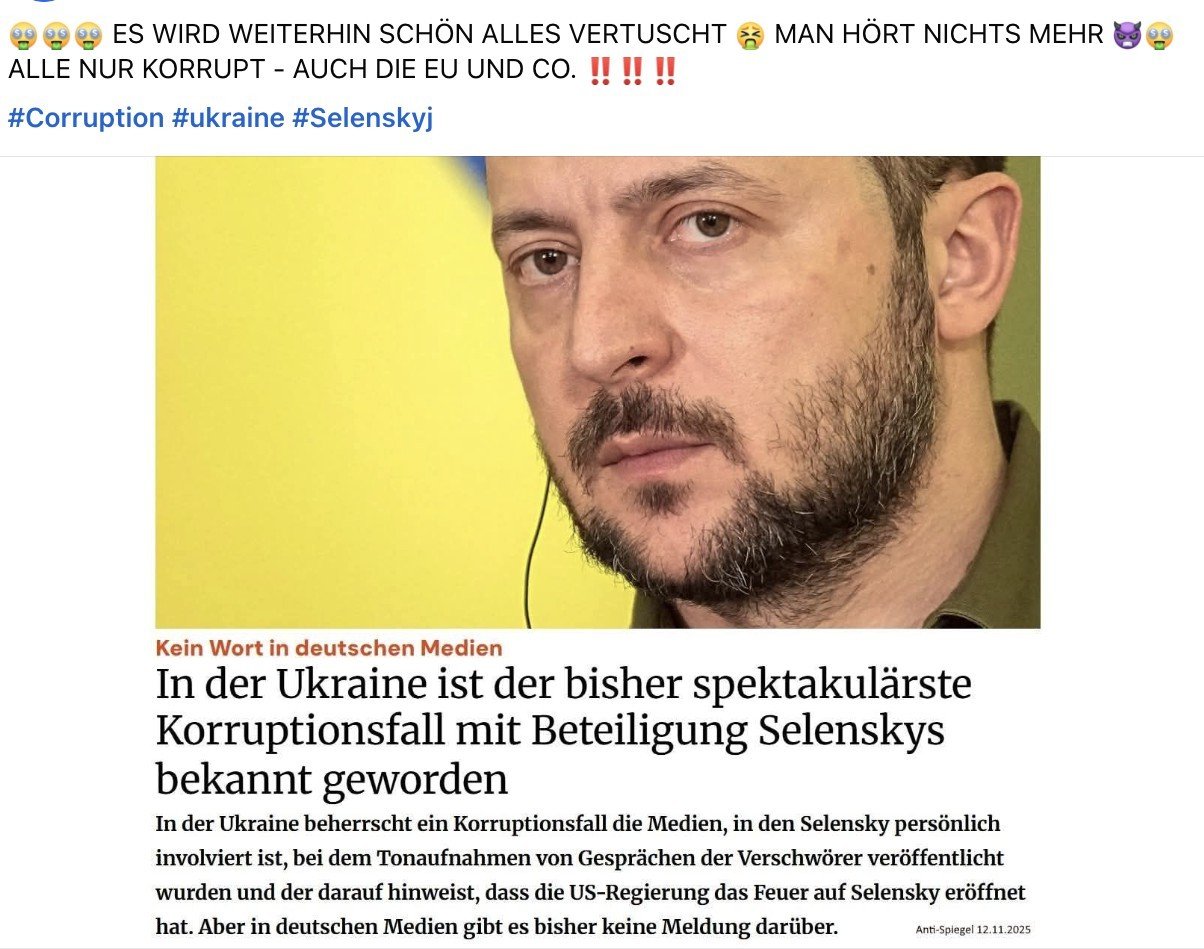
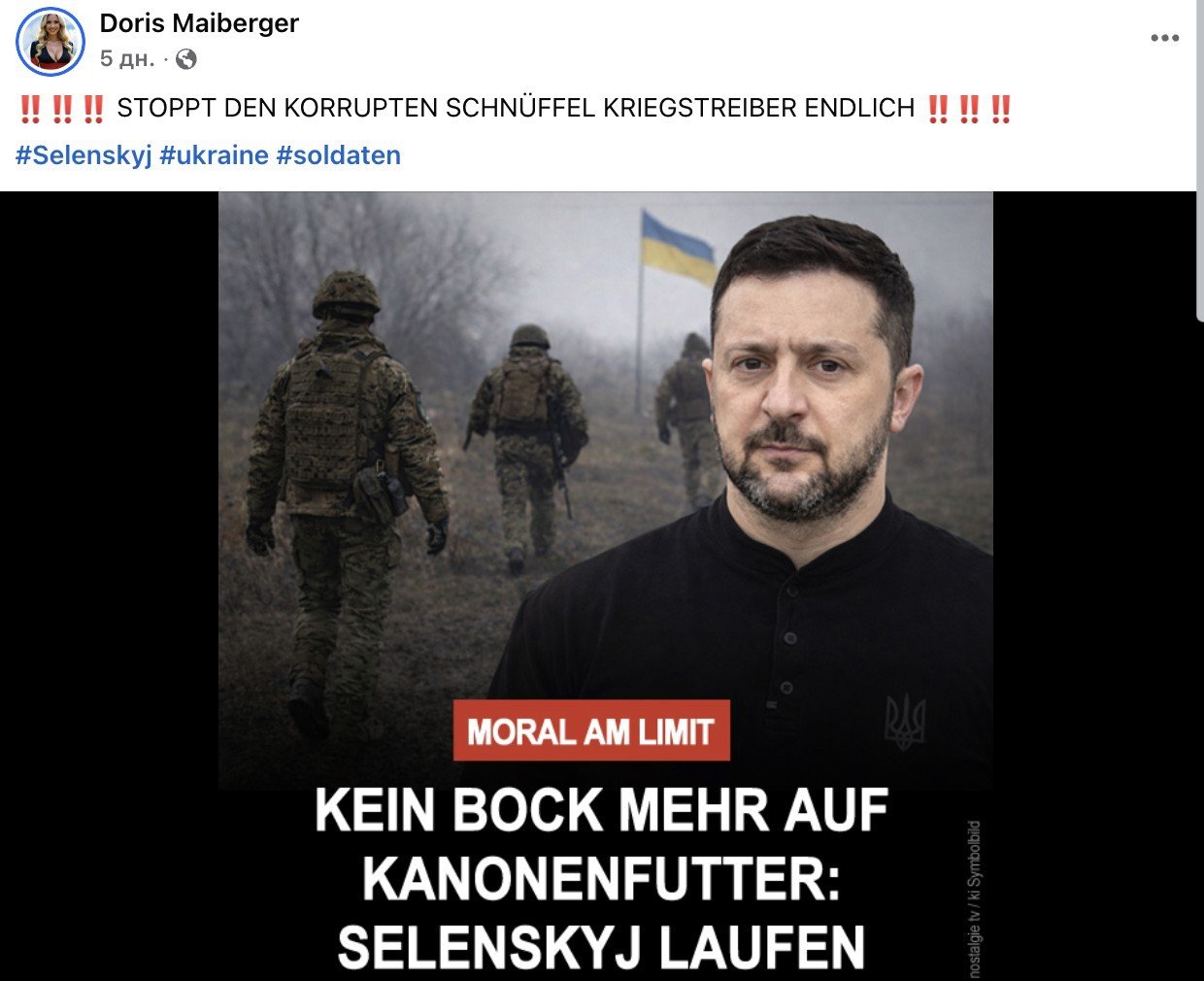
- Delegitimization of Ukrainian leadership: Repeated claims of corruption, incompetence, and personal responsibility of President Zelenskyy for the war and its consequences.
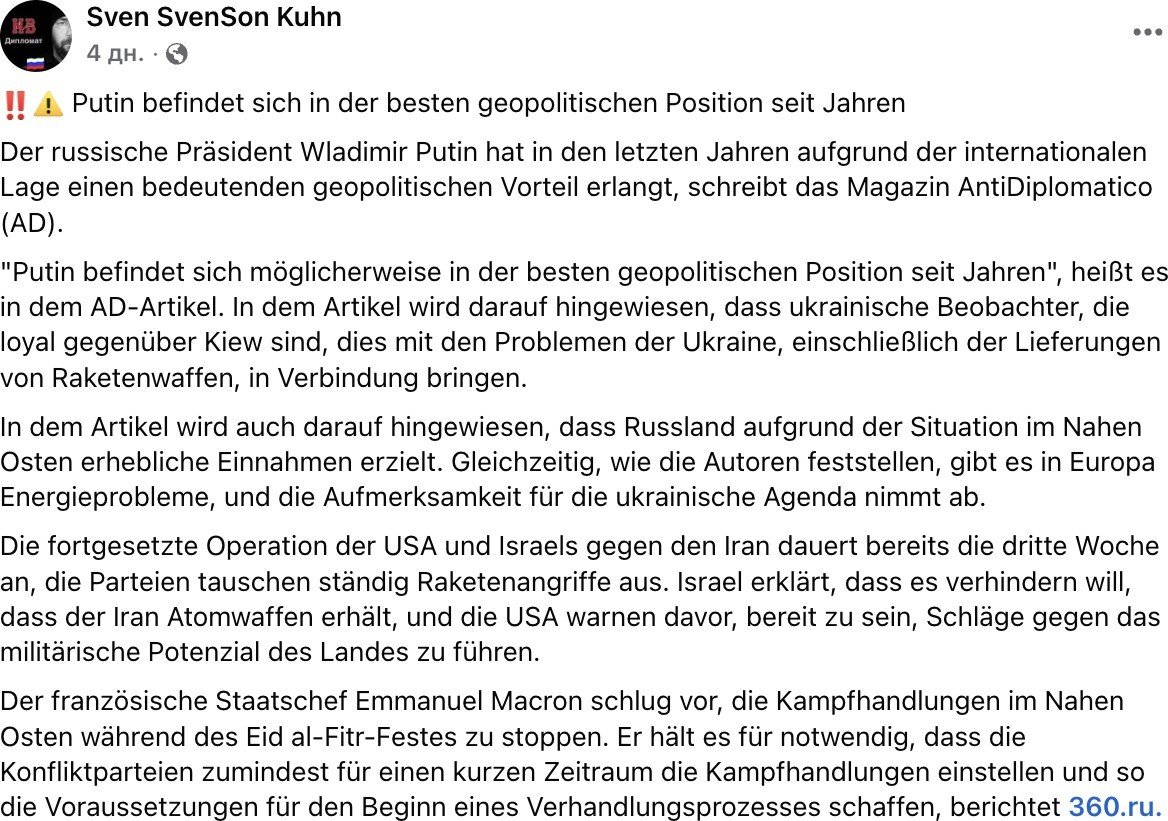
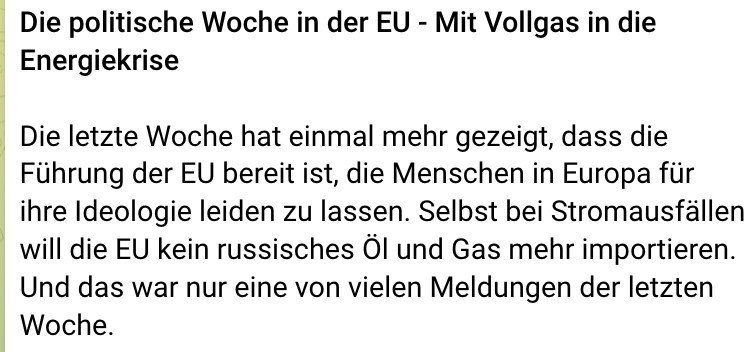
- Narratives of Western decline: The EU is portrayed as facing energy crisis, internal division, and loss of sovereignty, while the US is framed as escalating global conflicts (e.g., Iran).
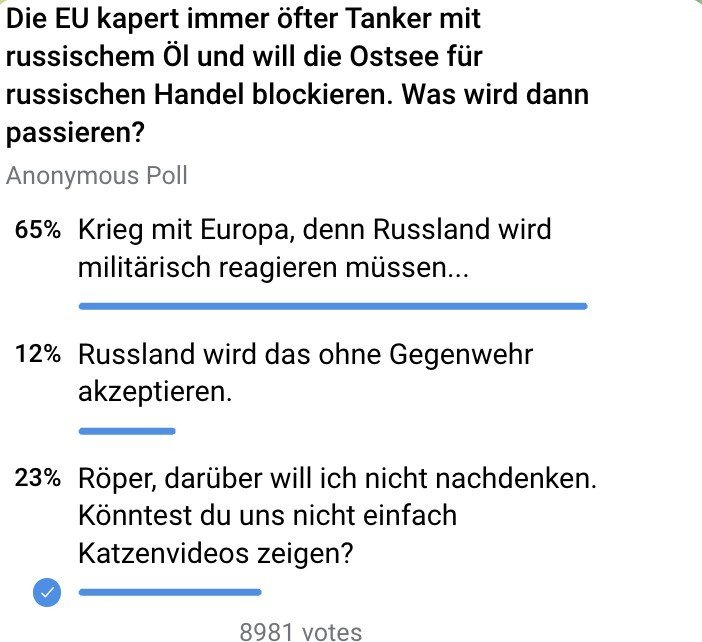
- Fear-based escalation framing: Messaging suggests that EU actions (sanctions, oil restrictions) could trigger direct military confrontation with
- Manipulation through emotional and visual content: Use of dramatic imagery (soldiers, Zelenskyy portraits, violence scenes) reinforces narratives of war fatigue, victimhood, and distrust.
- Audience engagement tactics: Polls and simplified binary choices (e.g., war vs. peace) are used to amplify emotional responses and normalize pro-Russian
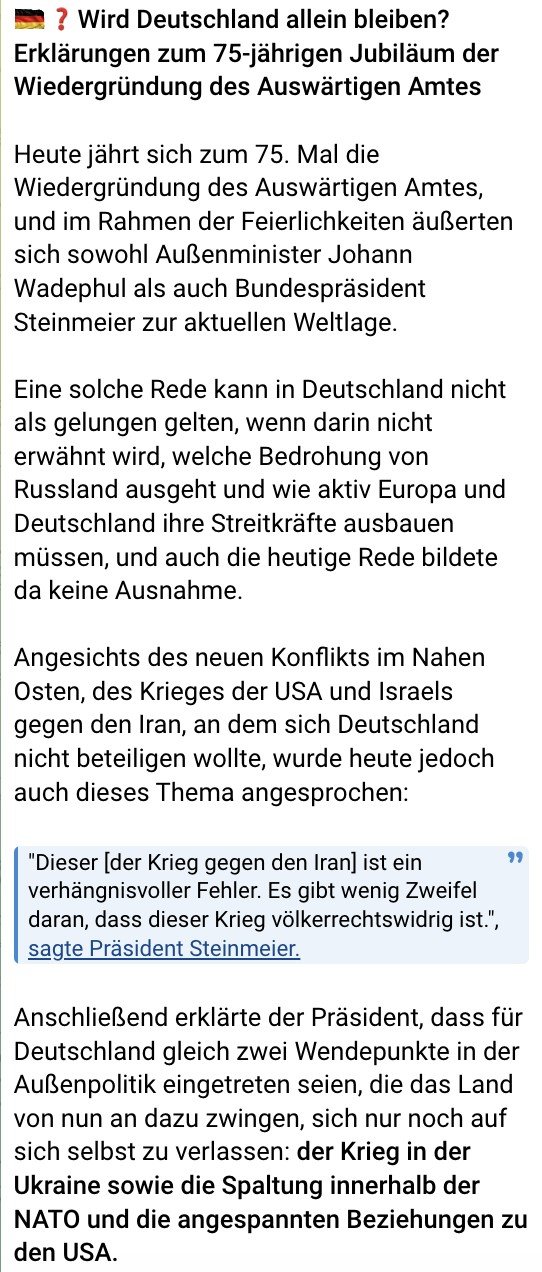
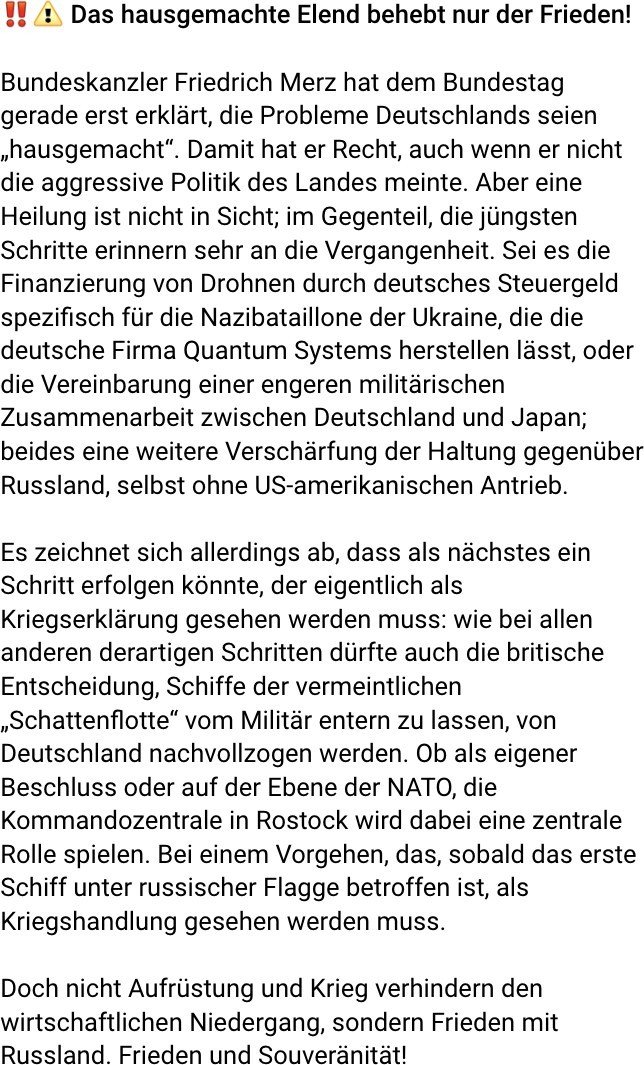
- Narratives targeting Germany and Europe: Claims that Germany may become isolated and forced to rely on itself due to tensions within NATO and strained relations with the US.
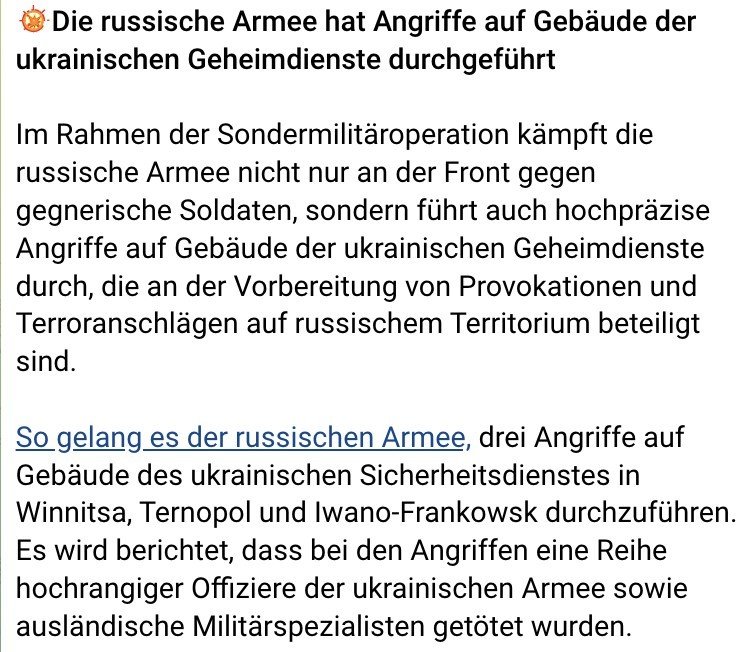
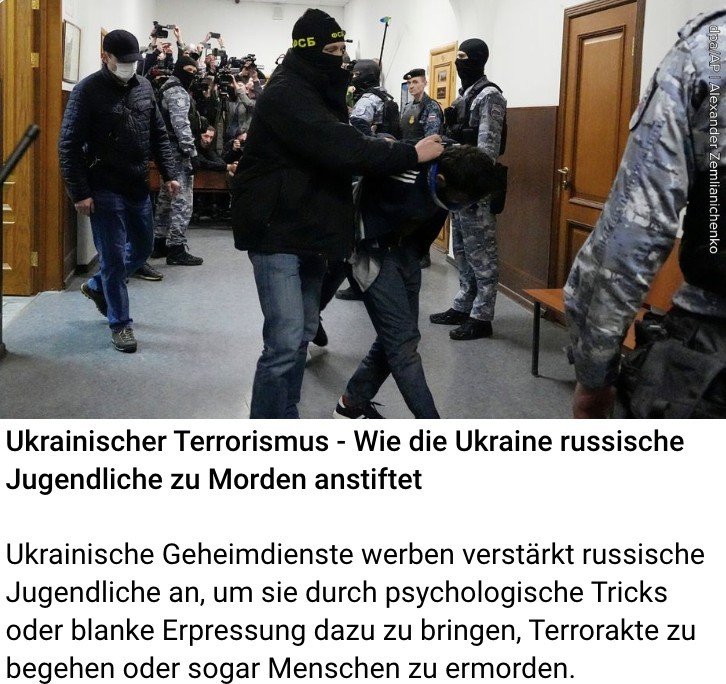
- Disinformation about military actions: Claims of precise Russian strikes and Ukrainian “terrorism” aim to legitimize Russian military actions and demonize
23.03.2026 – Facebook Post
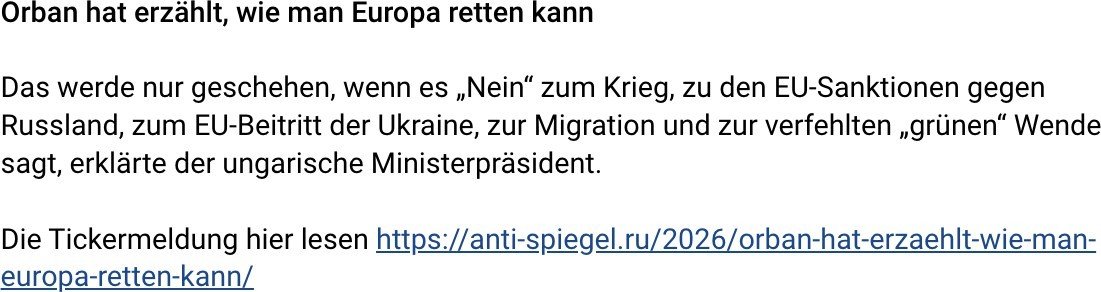
23.03.2026 – Telegram Post
23.03.2026 – Facebook Post
23.03.2026 – Telegram Post
24.03.2026 – Telegram Post
25.03.2026 – Telegram Post
26.03.2026 – Telegram Post
27.03.2026 – Telegram Post
Executive Summary:
The analyzed content reflects a coordinated information campaign aimed at undermining trust in Ukraine, Western alliances, and democratic institutions.
The narratives combine historical reinterpretation, emotional manipulation, and selective or false claims to influence public perception, particularly among European audiences.
The messaging strategy focuses on:
- Weakening support for Ukraine by portraying it as corrupt, ineffective, and controlled by external actors.
- Undermining confidence in the EU and NATO by emphasizing internal divisions, economic instability, and strategic failures.
- Promoting fear of escalation and inevitability of conflict with
- Positioning Russia as a rational, strong, and justified actor in the geopolitical landscape.
Overall, the campaign seeks to erode Western unity, influence public opinion, and shift the narrative toward acceptance of Russian strategic interests.